Exploring Skill Challenges That Offer In Game Rewards
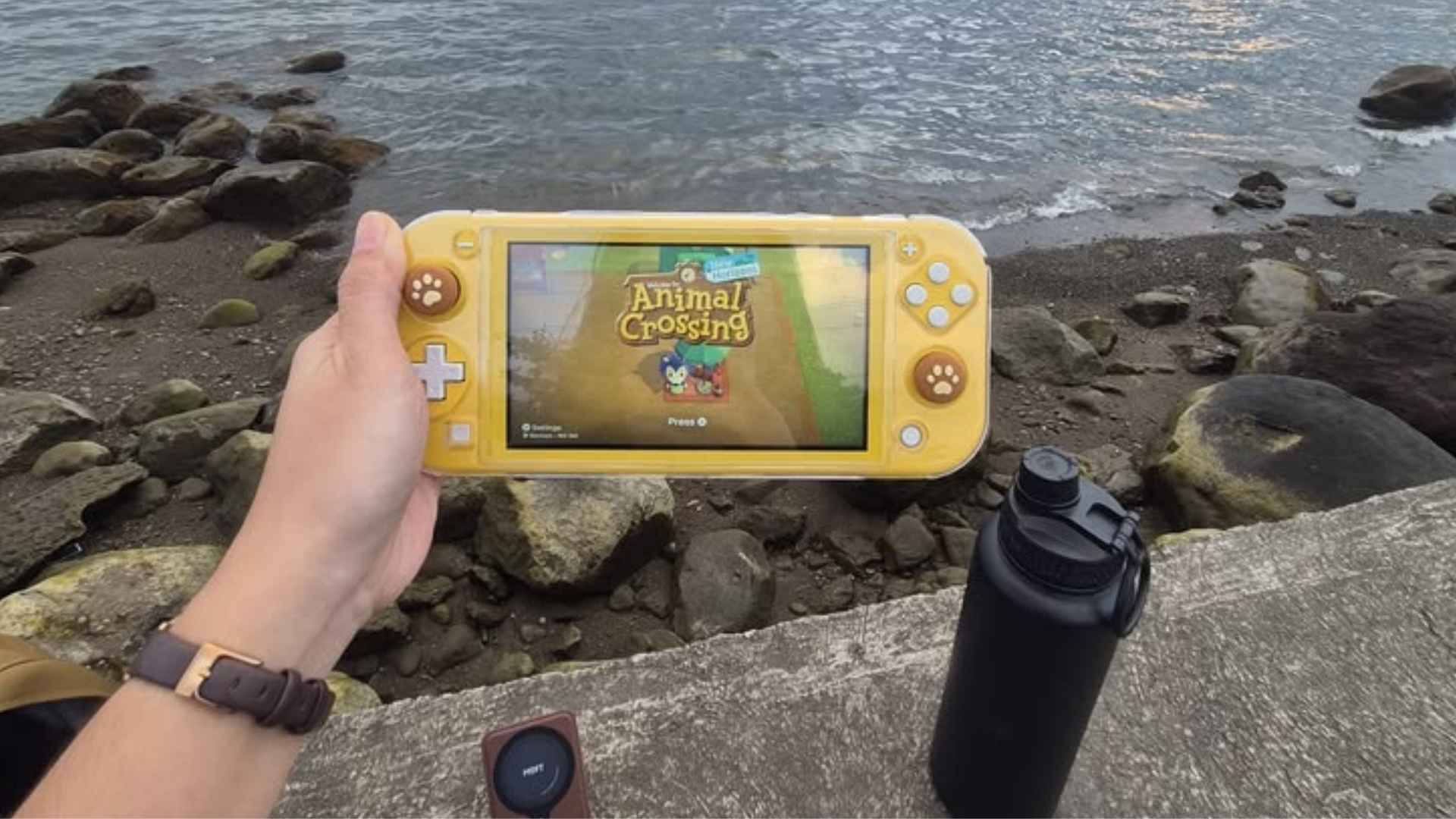
Skill-based challenges in video games have evolved from simple score tracking into complex systems that test player precision, decision-making, and execution. Modern game developers actively structure these tests to offer meaningful in-game rewards that signify mastery and dedication. Understanding how these mechanics operate helps gamers focus their practice and unlock exclusive virtual assets efficiently.
The Mechanics of Skill-Based Rewards
Unlike basic time-based incentives, skill challenges require players to meet precise criteria under controlled conditions. These objectives may involve completing levels within strict time limits, maintaining high accuracy rates, or achieving flawless victory streaks. Successfully mastering these parameters grants access to high-tier rewards that casual progression typically does not provide.
These incentive structures encourage players to deeply understand game systems and refine their technique. Overcoming complex obstacles creates a satisfying sense of personal growth alongside digital compensation. As a result, the value of the reward is elevated by the effort required to earn it.
Categorizing In-Game Rewards Earned Through Skill
In-game prizes tied to skill challenges generally fall into cosmetic badges, functional equipment, or rare profile titles. Cosmetic items allow players to visually showcase their accomplishments to the broader community during multiplayer interactions. Functional items might offer specialized gameplay advantages that reward strategic competence.
Players seeking to evaluate different gaming ecosystems and access digital accounts often utilize a www m88 com login to check available options. Possessing rare assets earned through difficulty-gated trials establishes prestige within competitive circles. This social recognition often drives community engagement more than basic progression loops.
Strategies for Mastering High-Difficulty Objectives
Approaching skill-focused tasks requires a deliberate mindset focused on iterative learning and analysis. Breaking down complex encounters into smaller mechanical components allows players to isolate weak points in their strategy. Consistent, focused practice yields far better results than disorganized grinding sessions.
Studying community resources, match replays, and expert guides provides valuable insights into optimal execution. Recognizing subtle visual cues and perfecting timing mechanics drastically improves success rates over time. Patience remains essential when attempting trials designed to push player capabilities to their limit.
Balancing Challenge and Accessibility in Modern Games
Game designers face the ongoing challenge of creating demanding trials that remain fair and engaging rather than frustrating. Tiered difficulty scaling allows players of varying experience levels to participate while preserving elite goals for advanced competitors. Transparent mechanics and reliable hit registration are vital for maintaining player trust in skill-based environments.
When challenge systems are designed effectively, they foster long-term retention and vibrant online communities. Players feel motivated to return regularly to test their abilities against new objectives. Ultimately, skill challenges represent one of the most fulfilling ways to experience modern interactive entertainment.